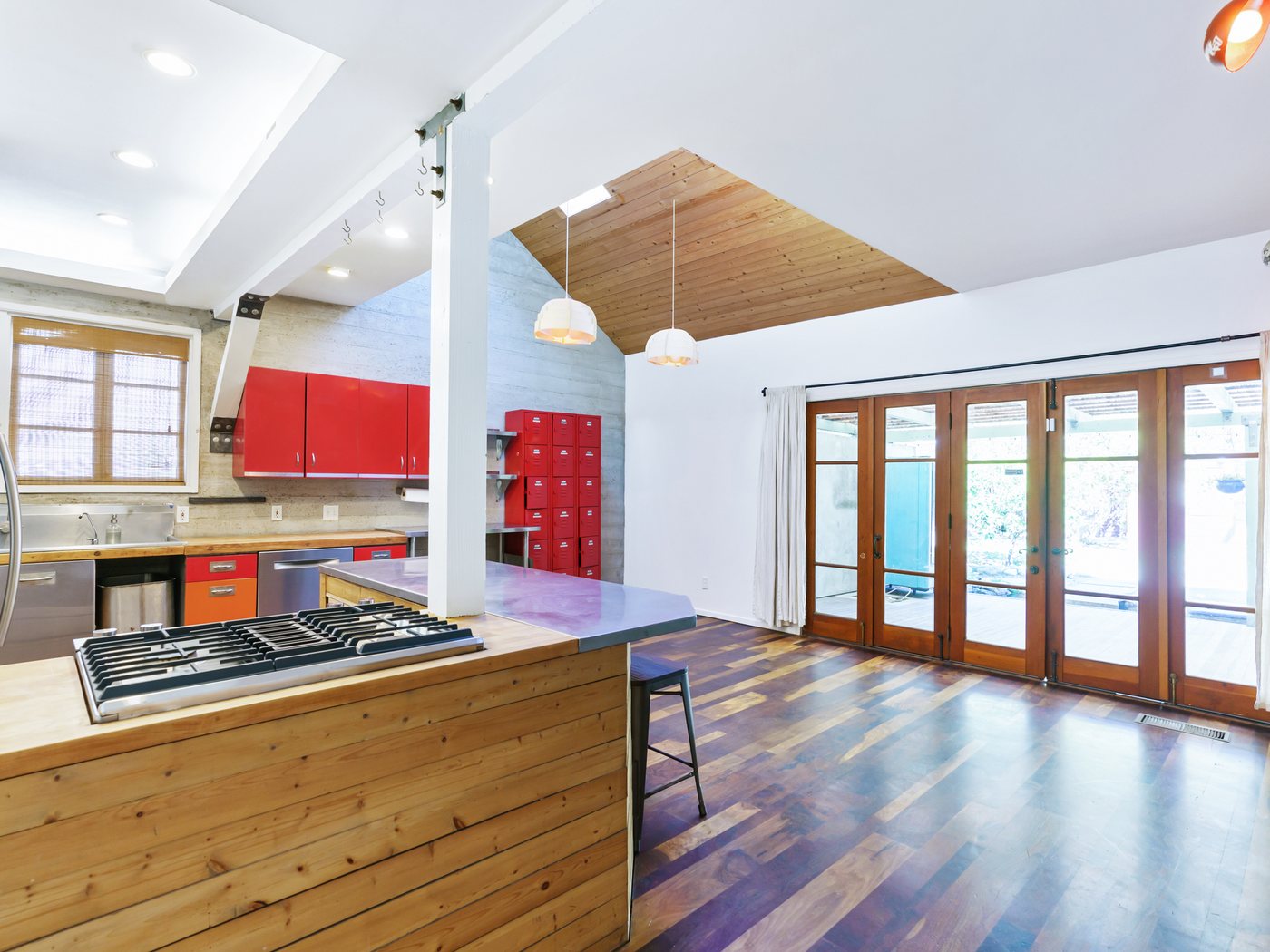
This page isn’t about real estate sales. It’s about my homeowner advocacy in design and building: how I help guide and design a project, keep the budget tight and make sure you get the best out of the crews you choose. The project is typically a home in need of renovation, landscaping or something related.
Project
A one-time effort with a start, a finish and a specific result you can point to, like remodeling a kitchen or building a sauna.
Project management
Keeping a project on course: deciding what is in it, what it will cost and how long it will take, then following through until it is done. The Project Management Institute defines it along the same lines.
Scope, schedule and budget
Scope is what is included in the job, and just as important, what is not. Schedule is what happens in what order, and by when. Budget is what the work should cost, including a cushion for surprises.
Punch list
The final list of small items to finish or fix before a project is called done.
General contractor
A licensed contractor who holds the contract, hires and supervises the trades, pulls the permits and answers for the finished work.
Owner’s representative
Someone who looks after the owner’s interests during a project: helping define the scope, comparing bids, watching schedule and quality, and keeping the owner informed. The owner, not the representative, holds the contracts.
Licensed trades
Contractors who hold a California license for their kind of work, such as electrical, plumbing or roofing. Anything that needs a license, or a permit, goes to them.
Handyman
In California, someone without a contractor’s license can take on only minor work: $1,000 or less in total, no permit needed, and no employees. See the small-projects section below for the details.
Loosely, the way a good owner's representative does. I am not a contractor and I do not hold your contracts. I work alongside the licensed trades as your advocate, so you are not dealing with five strangers on your own.
I walk the property with you and write down what it needs and what is worth doing. That scope is what everyone bids against.
I refer you to licensed, bonded trades I have a history with and who excel in their jobs, so you can compare bids like with like. You contract with the trades directly.
I keep a tight budget and stay aware of the schedule, though the trades run their own. I tell you what is a real problem and what is noise, so you are not left chasing updates.
I walk the finished work against the scope and keep a punch list going until it is done.
I’m a designer and a homeowner advocate, helping you navigate the licensed contractor world. The licensed trades do the work, and you hire them directly.
An inherited house in the Norma Triangle, from neglected to sold 7.7% over asking.
I was owner-builder and project manager, from concept through the certificate of occupancy.
Not every job needs a general contractor. For small fixes before a sale, I bring in a trusted handyman, and I keep each job inside what California allows. Someone without a contractor's license can take on a job only if it totals $1,000 or less including materials, needs no permit, and involves no employees. Anything bigger, anything that needs a permit and anything behind the walls goes to a licensed contractor.
Each small job is priced on its own, and I do not split one larger project into small pieces to fit under the limit. If a handful of small jobs adds up to a bigger project, we treat it as a bigger project.
California rules on the minor-work limit: Contractors State License Board bulletin on AB 2622.
Past-client references are available on request.
DB (David Bruce) is a REALTOR® with eXp Realty and is not a licensed contractor. He does not perform or contract for construction work, and owners hire licensed trades directly. This page is for educational purposes only and is not legal advice. You can check any contractor's license at cslb.ca.gov.
Talk it through with DB before you spend a dollar. He will help you work out what the project needs, refer you to licensed pros for the work that needs a license, and make sure you get the best out of the crews you choose. No pressure.